
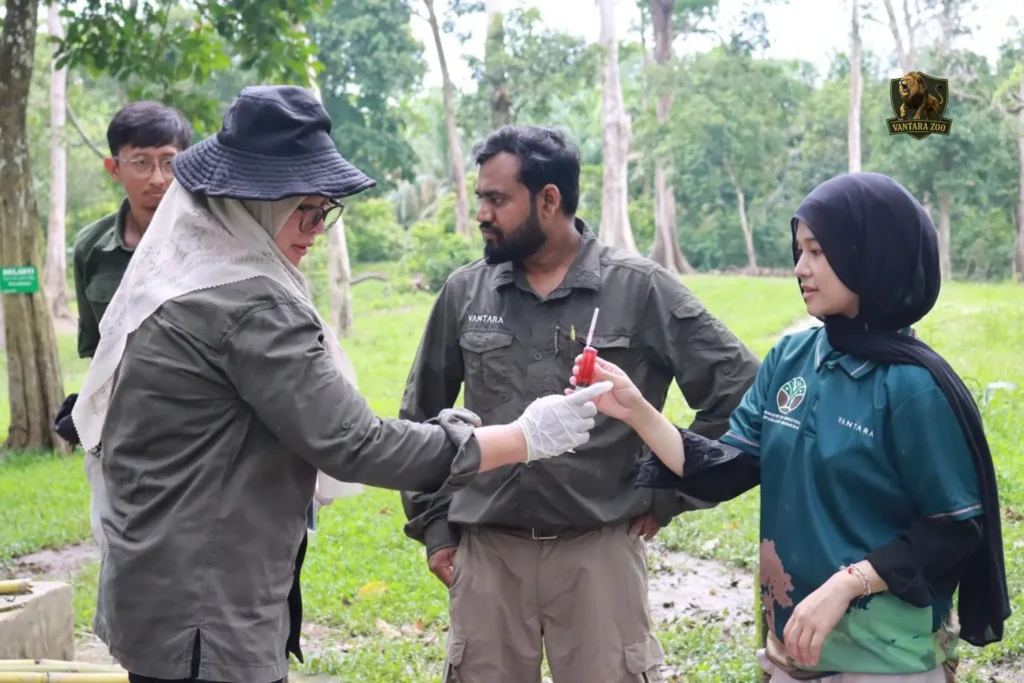
Indonesia has taken a major step toward protecting its endangered elephant population by seeking expert support from Vantara, a leading wildlife conservation and animal healthcare initiative based in India. This collaboration aims to address the growing threat of Elephant Endotheliotropic Herpesvirus (EEHV), a deadly disease responsible for the sudden deaths of young elephants across Asia.
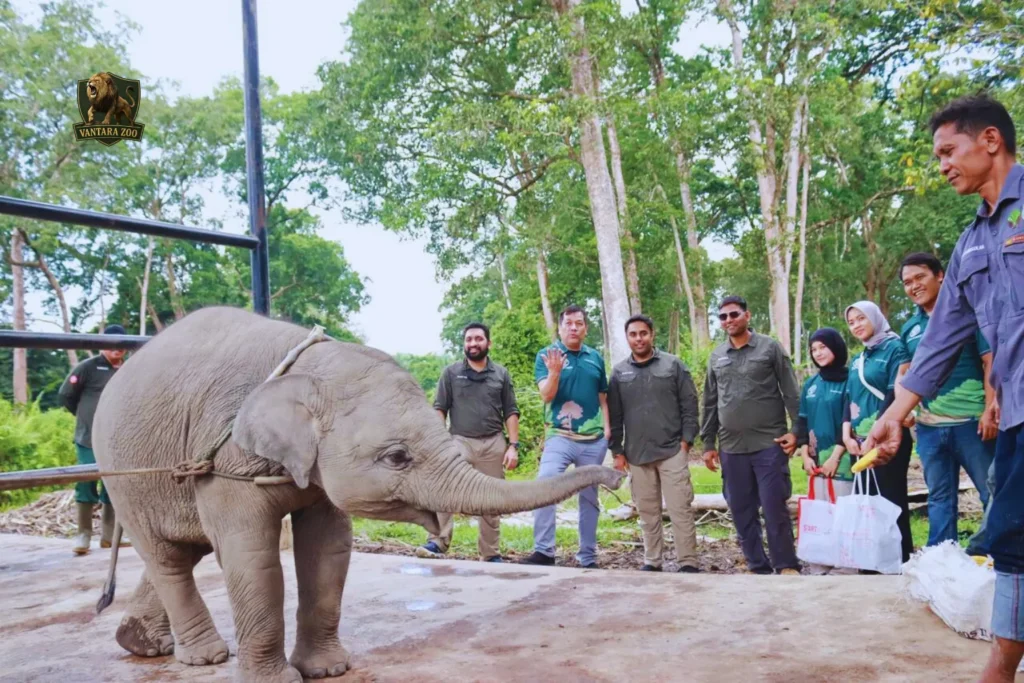
The decision follows the recent death of a young Sumatran elephant named Layla at the Sebanga Elephant Conservation Center in Riau Province. The elephant succumbed to EEHV, a fast-spreading viral infection that mainly affects juvenile elephants and often proves fatal if not detected early. The incident highlighted the urgent need for advanced veterinary intervention and long-term disease management strategies.
Why EEHV Is a Serious Threat to Elephants
EEHV is considered one of the most dangerous viral diseases affecting Asian elephants. It attacks the blood vessels and internal organs, leading to rapid internal bleeding. In many cases, elephants show visible symptoms only when the disease has already reached a critical stage. This makes early diagnosis, regular health monitoring, and rapid medical response extremely important.
Indonesia, home to the critically endangered Sumatran elephant, has been facing increasing challenges in managing EEHV due to limited diagnostic infrastructure and lack of specialized treatment protocols. This is where Vantara’s expertise becomes highly valuable.
Vantara’s Role in Elephant Healthcare
Vantara is known for its world-class animal care facilities, including one of the most advanced elephant hospitals in the world. Located in Gujarat, India, the center focuses on wildlife conservation, veterinary research, disease prevention, and rescue operations for large animals.
Recognizing Vantara’s proven success in treating and managing EEHV cases in India, Indonesia’s Ministry of Forestry and Environment, in collaboration with Fauna Land Indonesia, invited a team of Vantara veterinarians and wildlife health experts to assist in managing the crisis.
On December 22, the Vantara expert team arrived in Riau Province to begin on-ground assessments. Their immediate priority was to evaluate the health of elephants housed at the Sebanga conservation facility and nearby protected areas.
Key Objectives of the Indonesia–Vantara Collaboration
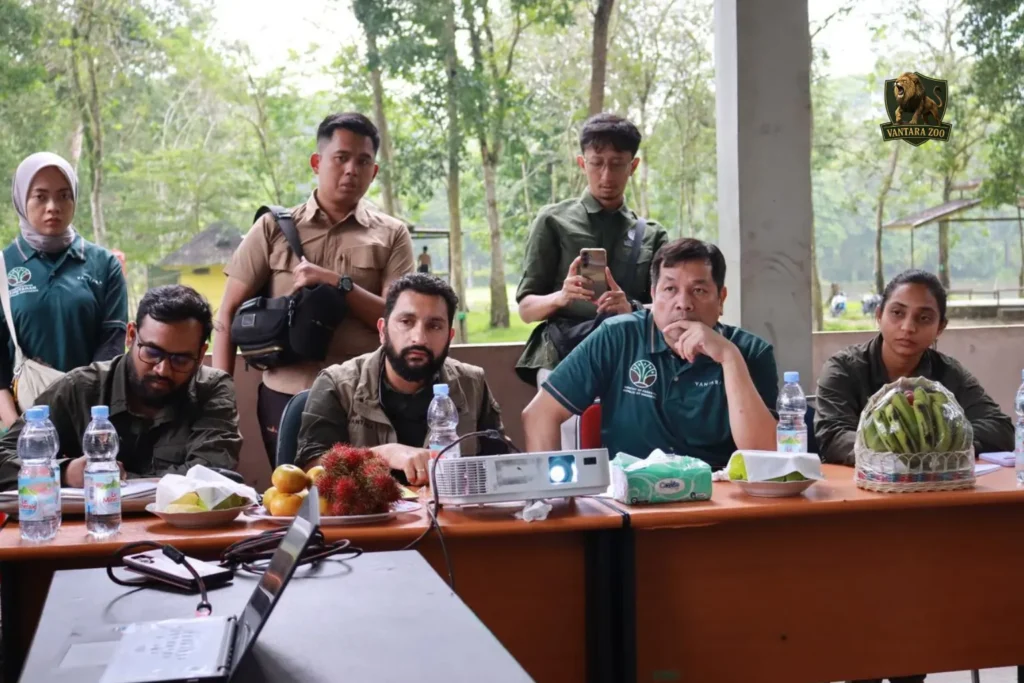
The partnership between Indonesia and Vantara focuses on both immediate action and long-term prevention. The main objectives include:
- Conducting detailed medical examinations of elephants to identify early signs of EEHV
- Creating a structured health monitoring system using medical data and observation records
- Introducing advanced diagnostic techniques for early virus detection
- Developing standard treatment and emergency response protocols
- Training local veterinarians and mahouts in EEHV recognition and care practices
By building local capacity, the initiative aims to ensure that Indonesian conservation teams can respond quickly and effectively to future cases, even after the international experts return.
Expanding Conservation Efforts Beyond One Location
While the initial focus is on the Sebanga Elephant Conservation Center, authorities plan to expand the program to other protected regions, including Buluh Cina Nature Tourism Park and additional elephant habitats in Riau Province. The goal is to create a regional model for elephant health management that can later be applied across Indonesia.
According to Fauna Land Indonesia officials, early assessments conducted by the Vantara team have already helped identify preventive measures that could significantly reduce the risk of future EEHV-related deaths.
Strengthening International Wildlife Conservation
This collaboration marks an important example of international cooperation in wildlife conservation. By combining Indonesia’s local conservation knowledge with India’s advanced veterinary expertise, the initiative represents a data-driven, prevention-focused approach to saving endangered species.
Experts believe that such cross-border partnerships are essential for tackling complex wildlife health challenges, especially those involving rare and threatened animals like the Sumatran elephant.
A Step Toward Long-Term Elephant Protection
The Indonesia–Vantara partnership is not just a short-term medical intervention. It is designed to strengthen the country’s elephant conservation framework through research, training, and continuous monitoring. If successful, the program could significantly improve survival rates among young elephants and help stabilize declining populations.
With EEHV posing an ongoing threat across Asia, this collaboration may also serve as a model for other elephant-range countries facing similar challenges. Ultimately, the initiative reflects a shared commitment to protecting elephants through science, expertise, and international cooperation.