
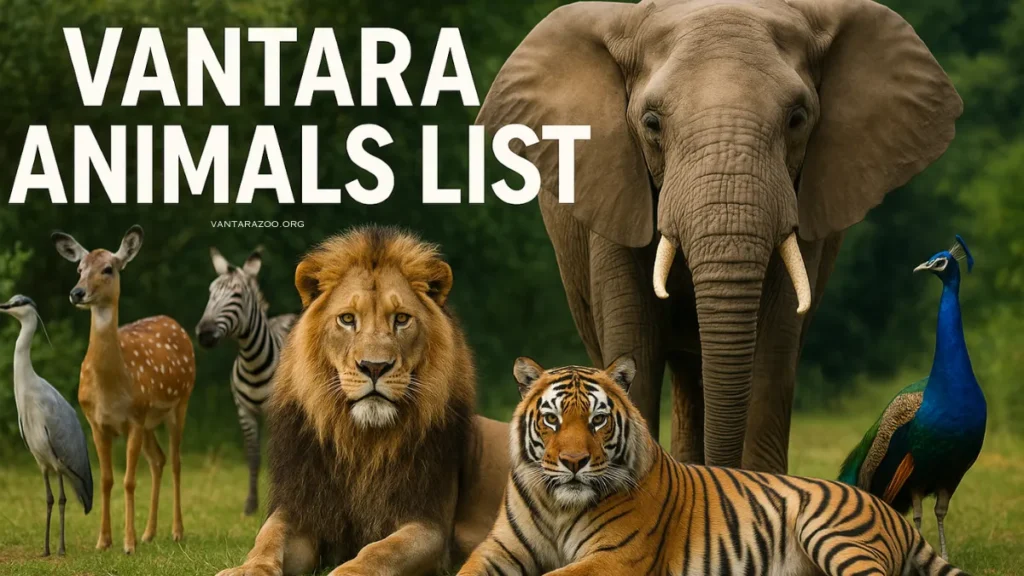
Vantara animals list refers to the wide and diverse collection of rescued wildlife cared for at Vantara, India’s large-scale animal welfare and conservation initiative. This guide provides a deeply researched, human-written overview to help readers understand the types of animals sheltered, their significance, and how Vantara’s model contributes to long-term wildlife preservation.
Vantara’s mission focuses on rescue, rehabilitation, medical care, and ethical conservation. The Vantara animals list highlights not just the variety of species present, but also showcases how such a sanctuary supports biodiversity, scientific study, and responsible wildlife management.
Understanding the Vantara Animals List
The Vantara animals list includes mammals, reptiles, birds, and other species rescued from vulnerable, abandoned, or harmful situations. These animals often arrive due to habitat loss, illegal captivity, human-wildlife conflict, or medical emergencies.
Below is a clean and informative table summarizing key species groups documented at Vantara.
Comprehensive Vantara Animals List (Key Species Groups)
| Category | Examples of Animals | Key Characteristics | Conservation Importance |
|---|---|---|---|
| Big Cats | Asiatic lions, Bengal tigers, leopards | Apex predators requiring large habitats | Maintain ecological balance |
| Herbivores | Elephants, blackbucks, nilgai, spotted deer | Plant eaters essential for grassland and forest ecosystems | Support seed dispersal and soil regeneration |
| Primates | Langurs, macaques | Highly intelligent, social animals | Indicators of healthy forests |
| Exotic Species | Zebras, llamas, ostriches | Rescued from illegal captivity or improper handling | Require specialized care and environments |
| Birds | Peacocks, parrots, cranes, owls | Diverse avian population | Vital for pollination and prey–predator cycles |
| Reptiles | Tortoises, pythons, monitor lizards | Cold-blooded species needing controlled habitats | Essential for pest control and biodiversity |
| Rescue Cases | Injured, orphaned, or abandoned wildlife | Require medical care and rehabilitation | Often released when fully recovered |
Why the Vantara Animals List Matters
A structured Vantara animals list serves many roles. It helps identify the species under protection, ensures proper medical and dietary planning, supports conservation researchers, and raises awareness among the public about wildlife welfare.
1. Biodiversity Preservation
The list includes threatened and protected species whose long-term survival depends on suitable care. Vantara provides secure habitats and veterinary support to animals often neglected elsewhere.
2. Scientific and Environmental Research
By maintaining records of all species, the Vantara animals list assists researchers studying wildlife behavior, disease patterns, genetic diversity, and best practices for rehabilitation.
3. Ethical Conservation and Rescue
Animals rescued from distress—whether due to natural disasters, captivity, or abandonment—are documented within the sanctuary’s care structure. The list ensures transparency and accountability in treatment plans.
Major Highlights of the Vantara Animals List
1. Big Cats Under Care
This includes iconic species such as tigers, lions, and leopards. These animals often require specialized diets, medical checkups, enrichment activities, and large natural enclosures. The Vantara animals list ensures each individual’s condition and progress are recorded.
2. Elephants and Large Herbivores
Many elephants residing at Vantara come from harsh working conditions or injury. With advanced medical care and monitored habitats, they regain strength and mobility. Herbivores like deer and antelopes also thrive in open, naturalistic spaces.
3. Wide Range of Bird Species
Birds play an important ecological role. The sanctuary records and monitors all bird species under the Vantara animals list, from large flightless birds to small songbirds.
4. Rare and Exotic Animals
Some exotic species arrive from rescues involving illegal trade or improper private ownership. A controlled environment helps them adapt safely while experts study their needs.
5. Continuous Rehabilitation Efforts
Animals unable to survive in the wild receive lifelong care. Others, once healed, may gradually be prepared for potential release, depending on health, behavior, and environmental factors.
How the Vantara Animals List Supports Modern Conservation
Vantara’s structured listing system ensures each species receives individualized attention. From nutritional planning to habitat design, experts rely on accurate data to provide ethical, science-backed care. The Vantara animals list also educates the public, fostering empathy and understanding toward wildlife protection.
The list does not just represent animals in captivity—it represents lives saved, ecosystems supported, and continuous strides toward a more harmonious relationship between humans and wildlife.
Also read: Vantara Zoo Jamnagar: India’s Largest Animal Rescue and Conservation Project
Conclusion
The Vantara animals list is a vital documentation of the many species rescued and protected at Vantara. Its detailed classification helps experts maintain high-quality care, supports biodiversity preservation, and brings transparency to wildlife rescue efforts. As awareness grows, more people recognize the importance of ethical animal care and the role sanctuaries like Vantara play in safeguarding the future of diverse species.