
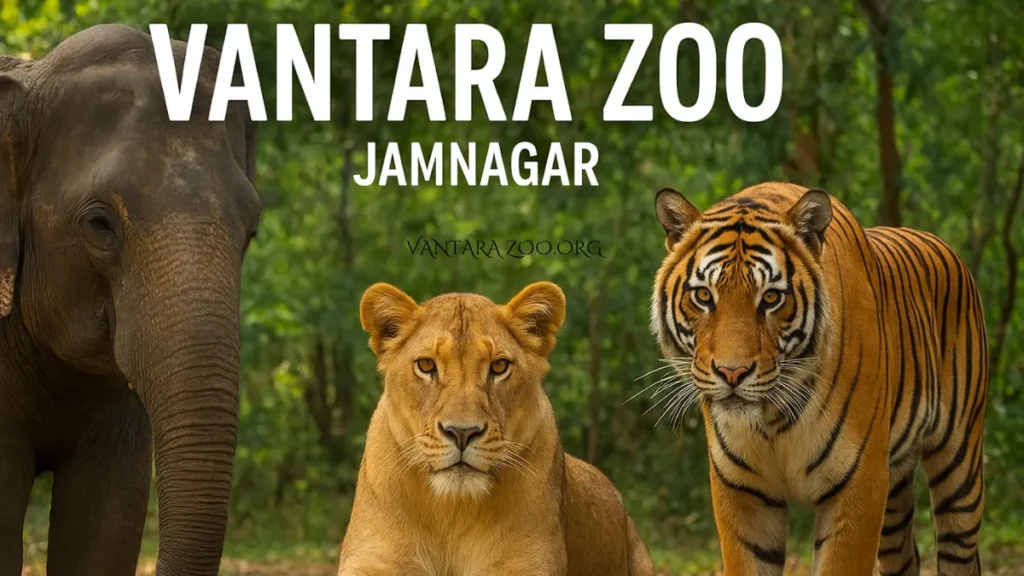
Vantara Zoo Jamnagar represents one of India’s most extraordinary initiatives in wildlife rescue and conservation. Located in Jamnagar, Gujarat, this vast sanctuary is not just a zoo—it is a heartfelt mission built on empathy, scientific care, and a long-term vision to preserve nature’s incredible diversity.
Initiated by the Reliance Foundation under the leadership of Anant Ambani, Vantara (meaning “Star of the Forest”) embodies a unique blend of compassion and cutting-edge conservation practices.
Spanning thousands of acres, Vantara Zoo houses animals rescued from distressing conditions across India and abroad. Each life here is treated with dignity, medical care, and love—making Vantara one of the largest and most ethical wildlife rehabilitation projects in Asia.
1. The Vision Behind Vantara Zoo Jamnagar
The idea of Vantara was born from a deep commitment to animal welfare and biodiversity conservation.
Anant Ambani envisioned a sanctuary where animals would not just be displayed, but rehabilitated, protected, and nurtured in natural surroundings.
Unlike traditional zoos that often focus on public recreation, Vantara Zoo Jamnagar stands apart as a non-commercial project driven purely by humanitarian and ecological values. Its ultimate aim is to create harmony between humans and wildlife while setting global standards in animal care.
This powerful vision aligns perfectly with the global call for sustainable coexistence and wildlife preservation.
2. Where Is Vantara Zoo Located?
Vantara Zoo is located in Jamnagar, Gujarat, within the green expanse of Reliance’s refinery township area. Spread over approximately 3,000 acres, it includes animal enclosures, veterinary hospitals, rescue centers, breeding zones, and large natural habitats designed to mimic the animals’ native environments.
The zoo’s serene surroundings, fresh air, and lush greenery make it a paradise for rescued wildlife — and a landmark of sustainable design and environmental balance.
3. Key Details of Vantara Zoo
| Aspect | Details |
|---|---|
| Full Name | Vantara Zoo (Star of the Forest) |
| Location | Jamnagar, Gujarat, India |
| Founded By | Reliance Foundation (Anant Ambani) |
| Total Area | Approx. 3,000 acres |
| Main Purpose | Animal Rescue, Rehabilitation & Conservation |
| Managed By | Reliance Foundation |
| Access Type | Limited Educational & Guided Visits |
| Facilities | Veterinary Hospital, Animal Care Centers, Research Labs |
| Sustainability Features | Renewable Energy, Waste Recycling, Natural Enclosures |
| Animal Diversity | Elephants, Lions, Tigers, Leopards, Deer, Exotic Birds, Reptiles, and more |
4. Animal Rescue and Rehabilitation at Vantara Zoo
One of the most impactful aspects of Vantara Zoo is its large-scale animal rescue and rehabilitation program. The team has rescued thousands of animals from abusive or neglected conditions — including elephants from circuses, big cats from illegal captivity, and exotic birds from the black market.
Once rescued, these animals undergo thorough health checks, behavioral assessments, and rehabilitation therapies under expert supervision. Each enclosure is carefully designed to recreate the natural environment of the species, allowing animals to heal both physically and emotionally.
The Veterinary Hospital at Vantara Zoo is among the most advanced in Asia, featuring high-end diagnostic tools, surgical units, intensive care wards, and laboratories. With a team of specialized veterinarians, nutritionists, and animal psychologists, the facility ensures that every life receives the best possible care.
5. Focus on Conservation and Endangered Species
Vantara Zoo plays a crucial role in protecting endangered species. The zoo’s scientific team conducts breeding programs to preserve species that are on the verge of extinction, such as the Asiatic lion, Bengal tiger, and several rare birds and reptiles.
These programs are designed not just for captivity, but to contribute to broader wildlife conservation efforts in India. By maintaining genetic diversity and studying behavioral patterns, Vantara helps ensure the long-term survival of vulnerable species.
The conservation model here blends research, rehabilitation, and rewilding, setting a new standard for ethical wildlife management in the modern era.
6. The Meaning and Philosophy Behind the Name “Vantara”
The word Vantara comes from Sanskrit, meaning “Star of the Forest.”
This name perfectly captures the spirit of the initiative — a guiding light for wildlife protection and a symbol of hope for animals once lost to suffering.
Every aspect of the project reflects this philosophy: from its naturalistic habitats to its compassionate approach to care. Vantara is not about showcasing animals; it’s about restoring their dignity and right to live freely and safely.
7. Technology, Research, and Innovation
Behind its serene exterior, Vantara Zoo is powered by innovation. The facility uses AI-based monitoring systems, GPS tracking for animal movement, and climate-controlled shelters to maintain comfort during extreme weather.
Its research wing collaborates with national and international wildlife organizations to share data and improve global standards of animal care.
Advanced data systems record health histories, diets, and behavioral observations — allowing the staff to provide personalized attention to each animal.
8. The Veterinary Hospital: Heart of Vantara Zoo
The state-of-the-art veterinary hospital inside Vantara Zoo is the heart of this entire ecosystem. Spread across several acres, it includes modern operation theatres, radiology labs, dental suites, and even hydrotherapy units for large mammals.
Animals rescued from injuries or diseases are treated here under the supervision of specialists. Once healed, they are transferred to large, open habitats designed for rehabilitation.
This hospital doesn’t just serve animals at Vantara; it also provides emergency medical aid for wildlife rescued from across India, making it a true national resource.
9. The Role of Anant Ambani and Reliance Foundation
At the core of Vantara Zoo lies the vision and compassion of Anant Ambani, who personally oversees the project’s operations and welfare programs. His belief that “every living being deserves respect and care” is the soul of Vantara.
Under the Reliance Foundation, this initiative has grown into one of the world’s largest private wildlife rescue and rehabilitation centers. It’s a reflection of corporate social responsibility done right — focusing on long-term impact rather than publicity.
10. Sustainability and Eco-Friendly Practices
Vantara Zoo isn’t just about saving animals; it’s also a model for sustainable living.
The sanctuary is powered by renewable energy sources, employs rainwater harvesting, and practices organic waste management to maintain environmental balance.
The enclosures are built using eco-friendly materials, and the landscape is maintained with native plant species to create natural ecosystems for local fauna.
This focus on sustainability ensures that Vantara Zoo not only protects animals but also contributes positively to the planet’s health.
11. Educational and Awareness Programs
Although the zoo isn’t open to the general public like typical zoos, Vantara Zoo conducts guided educational tours and workshops for conservationists, students, and researchers.
These programs aim to raise awareness about wildlife protection, ethical treatment of animals, and the importance of biodiversity. Visitors who participate in these educational tours gain valuable insights into how compassionate care and scientific research can coexist to save wildlife.
12. The Animals of Vantara Zoo
The animal diversity at Vantara Zoo is remarkable. The sanctuary is home to a wide range of mammals, birds, reptiles, and amphibians.
Some of the key species include:
- Asian Elephants rescued from temples and circuses
- Lions and Tigers from illegal captivity
- Leopards, Panthers, and Cheetahs under conservation programs
- Deer, Antelopes, and Zebras in open grassland habitats
- Exotic Birds such as macaws, parrots, and flamingos
- Reptiles including snakes, turtles, and crocodiles
Each species lives in a naturalistic setting designed to resemble its original habitat, ensuring both comfort and psychological health.
13. Why Vantara Zoo Is Different from Other Zoos
While most zoos focus on attracting visitors, Vantara Zoo focuses on saving lives.
Here’s what makes it unique:
- It’s a non-commercial initiative, not a tourist attraction.
- Animals are rescued, not captured.
- The zoo prioritizes healing and rehabilitation over display.
- Facilities are scientifically designed to reduce stress and mimic natural behavior.
- It serves as a research and education hub for wildlife experts globally.
This approach positions Vantara as a model of ethical conservation that challenges the traditional concept of zoos.
14. Future Plans and Global Impact
In the future, Vantara Zoo aims to collaborate with global wildlife organizations to expand its conservation impact. Plans include establishing more rehabilitation units, breeding endangered species, and developing public awareness programs worldwide.
By integrating science, compassion, and sustainability, Vantara has the potential to become a global benchmark for how humans should care for animals and the environment.
15. Visiting Vantara Zoo: What to Expect
Currently, Vantara Zoo is not open for general public visits. Entry is restricted to authorized tours, conservationists, and educational institutions.
This policy helps maintain a peaceful environment for the animals and ensures that human presence does not cause stress.
However, Reliance Foundation has hinted at plans for limited, guided educational visits in the future — allowing people to experience the zoo’s compassionate mission without disturbing its tranquility.
16. The Global Significance of Vantara Zoo
In a world where urbanization and exploitation threaten wildlife, Vantara Zoo stands as a symbol of hope. It demonstrates that corporate power, when guided by compassion, can bring real change to the planet.
By prioritizing animal welfare, ecological restoration, and sustainable growth, Vantara sends a message that resonates far beyond India — showing that true progress means protecting the voiceless.
17. The Spiritual Connection: Compassion Beyond Conservation
There’s a deeply spiritual element to Vantara Zoo.
Rooted in the Indian philosophy of Ahimsa (non-violence) and respect for all living beings, the project emphasizes the sacred bond between humans and nature.
The silence, greenery, and gentle presence of animals in Vantara remind visitors that every creature has a purpose — and that compassion is the highest form of coexistence.
18. Media Coverage and Public Interest
Since its quiet establishment, Vantara Zoo has attracted immense global attention. Media outlets and wildlife experts have praised the project for its scale, ethics, and scientific approach.
While the foundation maintains a low-profile stance, the zoo’s contribution to conservation is widely recognized as a transformative step in India’s environmental journey.
19. Challenges and Commitments
Managing thousands of animals across acres of land is no easy task.
The Vantara team constantly faces challenges — from disease prevention to habitat management and species compatibility.
Yet, what keeps the mission strong is the unwavering commitment of its caretakers, veterinarians, and leadership team who work around the clock to ensure that every animal thrives in peace.
Also read:Vantara Zoo Jamnagar: India’s Largest Animal Rescue and Conservation Project
20. Conclusion: Vantara Zoo – A New Era of Wildlife Compassion
Vantara Zoo in Jamnagar is not merely a zoo; it’s a revolution in the way we perceive animal care.
It stands for compassion over commerce, preservation over profit, and empathy over exploitation.
From advanced medical facilities to ethical rescue operations, everything about Vantara reflects humanity’s best qualities. It is a living example that progress can go hand in hand with kindness — and that the truest measure of civilization lies in how we treat those who cannot speak for themselves.
Through Vantara Zoo, Anant Ambani and Reliance Foundation have gifted India — and the world — a shining beacon of hope for wildlife, proving that when compassion leads, miracles follow.